Electric Cooperatives are community-focused organizations that work to efficiently deliver affordable, reliable and safe energy.
But Wyoming’s rural electric cooperatives aren’t just responsible for power. We strive to empower our members, our families and our communities. There’s a rural electric cooperative in every county in Wyoming, and there’s a community in every cooperative.
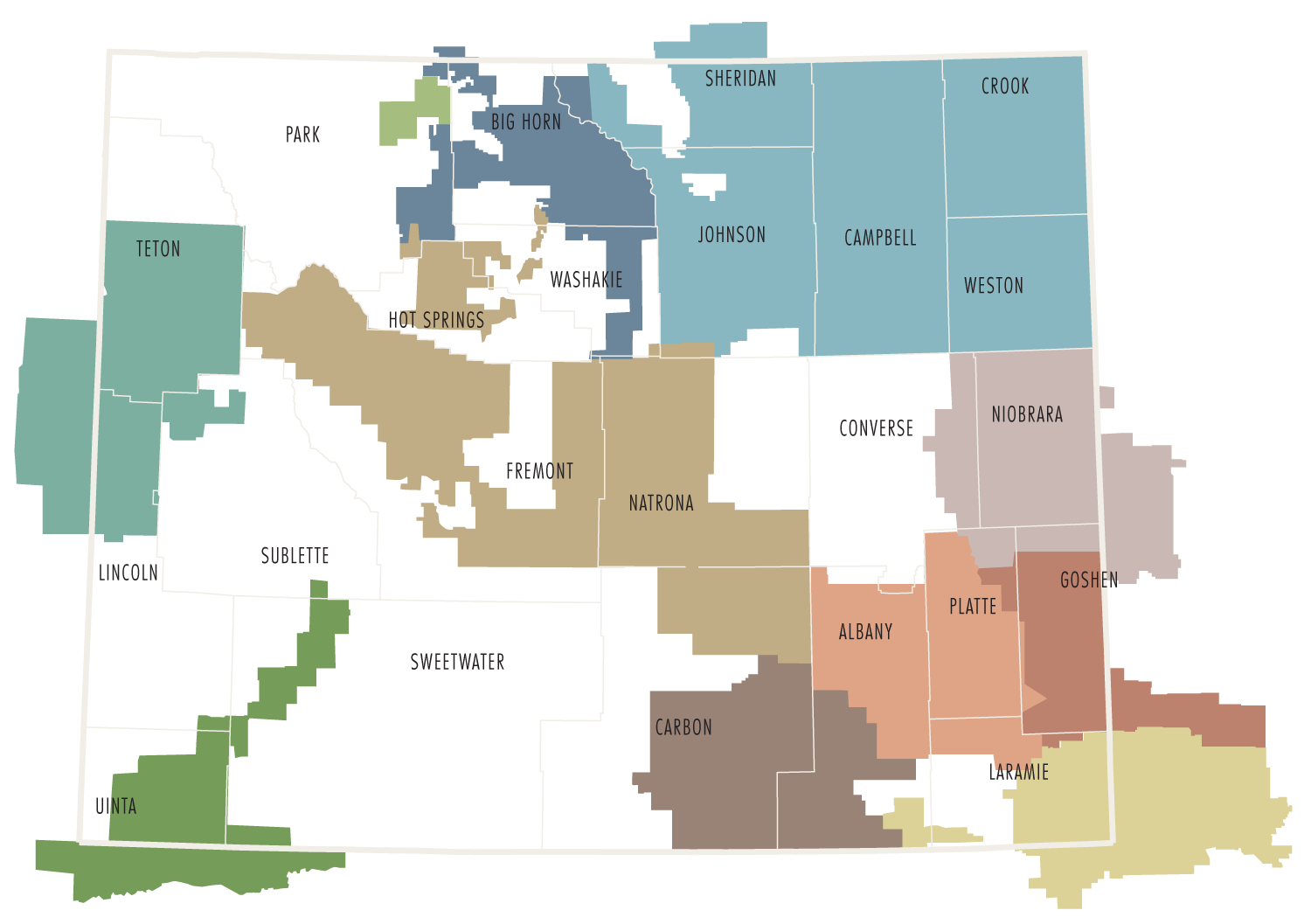
In 1941, the state’s rural electric cooperatives formed the WREA to represent them and their rural electric consumers.
The WREA is governed by a board of directors that consists of one representative from each of the 11 distribution cooperatives and the three generation and transmission cooperatives. Equally represented, each of the co-ops is responsible for one vote.
On both the state and federal level, the WREA promotes the interests of Wyoming cooperatives in regulatory matters and legislative issues. Strong grassroots initiatives have influenced legislators on many occasions, allowing the cooperatives to continue providing the best service possible to their member-customers.
Headquartered in Cheyenne, the WREA exists as a united representative for its members, promoting cooperative principles and rural electrification for Wyoming.
Real Work. Real Impact.
Unify
Publishes the monthly WREN Magazine.
Lead
Provides educational seminars for directors and employees.
Support
Participates in the Youth Tour program through the National Rural Electric Cooperative Association.
Empower
Offers scholarships for those interested in a career as a lineworker.

Our History
Not long ago, most rural homes went without electricity—and daily life depended on lanterns, washboards, and hard work. When power companies overlooked the countryside, local communities joined forces to bring light to their farms and towns. Through the Rural Electrification program, neighbors became co-op members, and together they transformed rural life. That same spirit of connection and cooperation still drives us today.
Cooperatives Today
About 99 percent of the nation’s farms now have electric service. Most rural electrification is the product of locally-owned rural electric cooperatives that got their start by borrowing funds from the REA to build lines and provide service on a not-for-profit basis. Today, the REA is the Rural Utilities Service (RUS) and is part of the U.S. Department of Agriculture.
Electric cooperatives are an integral part of the $370 billion U.S. electric utility industry. They play a critical role in the economy of local communities, states, and our nation as a whole.
Electric cooperatives are:
The Cooperative Network
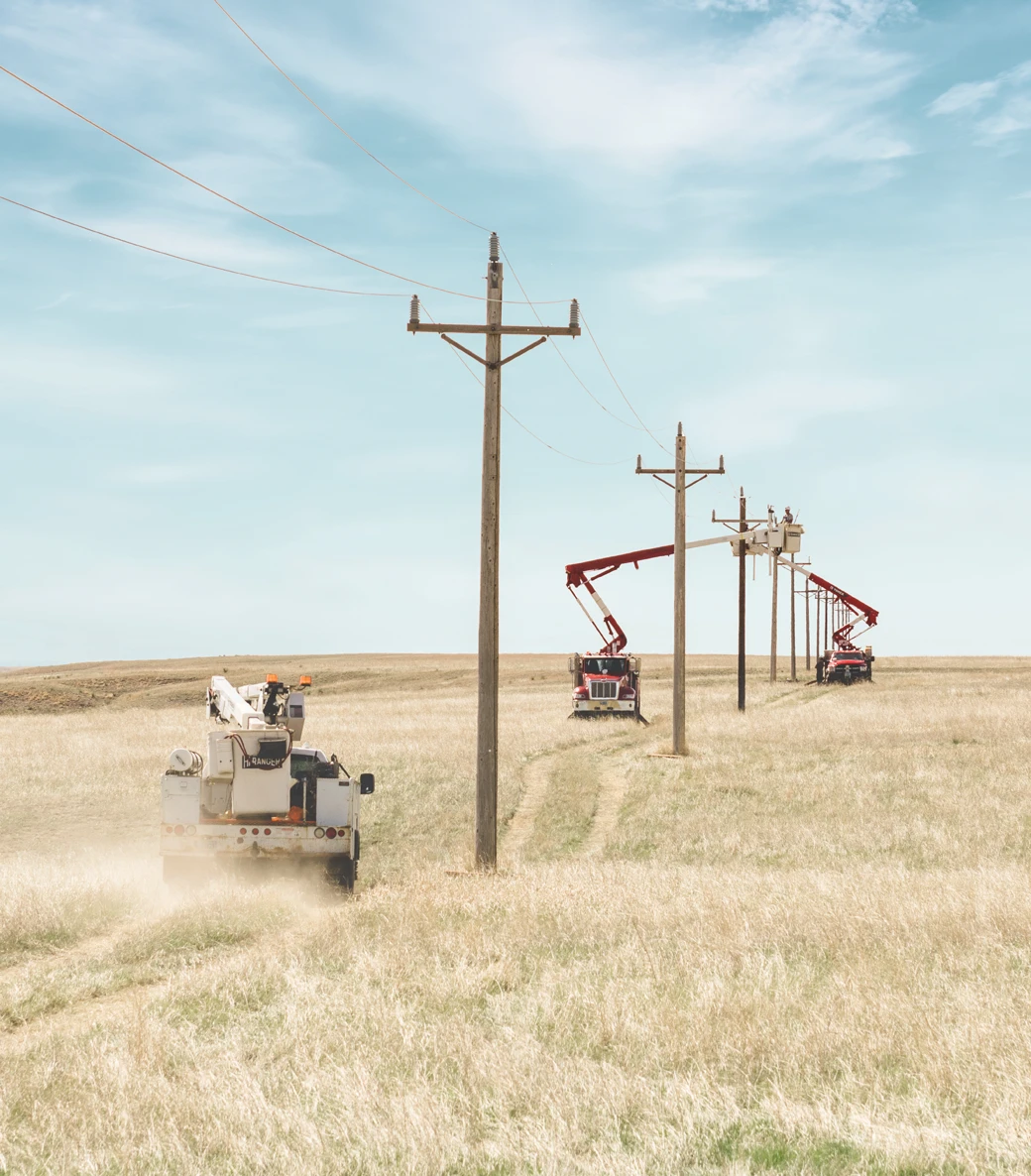
Distribution cooperatives are the foundation of the rural electric network, delivering electricity to retail customers. G&Ts provide wholesale power to distribution co-ops through their own generation or by purchasing power on behalf of the distribution members.
In addition to providing electric service, electric co-ops support their communities by promoting development and revitalization projects, small businesses, job creation, improvement of water and sewer systems, and assistance in delivery of health care and educational services, always striving to Live the Cooperative Spirit.
Cooperative Principles

Voluntary and Open Membership
Democratic Member Control

Members’ Economic Participation

Autonomy and Independence

Education, Training & Information

Cooperation Among Cooperatives

Concern for Community